
THE DOWNWARD SHIFT TO POPULISM
Search
Sign up

Information-Warfare Magazine

Information-Warfare Magazine seeks to enlighten citizens by providing articles, tools, and knowledge to navigate the information socioeconomic wave and combat information warfare. Published by https://ie-press.com/
Follow publication
The Long Road from Reagan to Trump: The Evolution of the GOP
The Downward Spiral of the Republican Party Since the Reagan Era
From Cold War Victories to Modern-Day Divisions: How the Republican Party’s Shift from Conservatism to Populism Redefined Its Identity and Contributed to Its Current Crisis

HASE FieroFollow
7 min read
·
Sep 18, 2024
19
Since the triumph of the Reagan presidency in the 1980s, the Republican Party has experienced a series of internal and external shifts that have profoundly changed its identity. From Reagan’s Cold War victory to the populist surge under Donald Trump, the GOP’s trajectory has been shaped by key incidents and controversies. This article outlines the major events and policies that contributed to the gradual transformation of the party, leading to the fractured, polarized state it finds itself in today.
1. The Reagan Era (1981–1989): The Cold War Victory and Supply-Side Economics
Domestically, Reagan also revolutionized the party’s economic platform through his “Reaganomics” approach, which emphasized tax cuts, deregulation, and smaller government. The long-term consequences of “trickle-down economics” contributed to growing income inequality, setting the stage for future economic challenges that the party would have to grapple with.
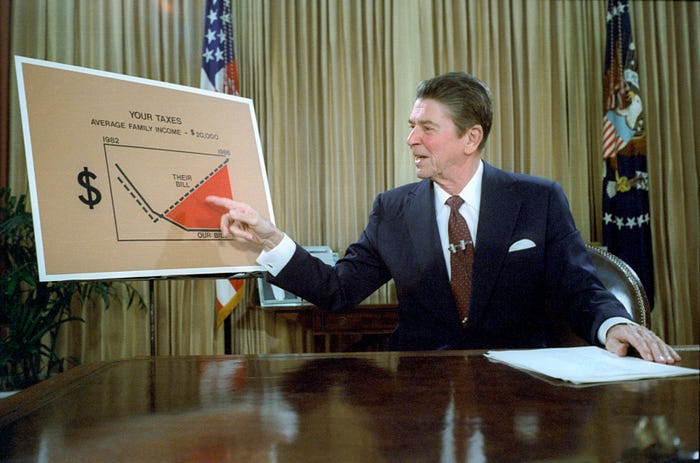
Ronald Reagan’s presidency is often regarded as a high point for the Republican Party, particularly due to his role in bringing about the end of the Cold War. Reagan’s aggressive military buildup and foreign diplomacy helped hasten the fall of the Soviet Union, symbolizing a victory for American leadership on the global stage. Domestically, Reagan also revolutionized the party’s economic platform through his “Reaganomics” approach, which emphasized tax cuts, deregulation, and smaller government.
However, the implementation of supply-side economics during this time planted seeds of economic instability. While the economy was energized, the national debt tripled. The long-term consequences of “trickle-down economics” contributed to growing income inequality, setting the stage for future economic challenges that the party would have to grapple with.
2. The George H.W. Bush Era (1989–1993): A Broken Tax Pledge and Internal Party Struggles
Discontent would later fuel internal rifts, particularly as more conservative figures began to dominate the party’s direction.
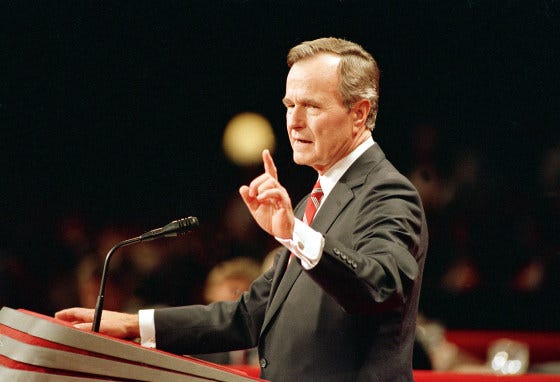
George H.W. Bush, Reagan’s successor, faced the consequences of ballooning deficits. Though he had campaigned on a promise of “no new taxes,” Bush was forced to raise taxes to deal with the growing national debt. This decision was seen as a betrayal by conservative Republicans and weakened his support within the party, sowing seeds of division between the moderate and conservative wings. This discontent would later fuel internal rifts, particularly as more conservative figures began to dominate the party’s direction.
3. The Newt Gingrich Revolution (1994): Hyper-Partisanship Takes Root
This period signaled the rise of hyper-partisanship, where defeating the political opposition became a primary objective rather than governance.
Newt Gingrich’s “Contract with America” helped Republicans achieve a historic victory in the 1994 midterm elections, marking a shift toward a more aggressive, oppositional political style. Gingrich’s confrontational approach led to government shutdowns in 1995 and 1996, as compromise between Republicans and Democrats became more difficult to achieve. This period signaled the rise of hyper-partisanship, where defeating the political opposition became a primary objective rather than governance. The GOP’s growing reluctance to engage in bipartisan solutions marked a turning point in American politics.
4. The George W. Bush Era (2001–2009): War, Economic Crisis, and Reputational Damage
The ensuing economic collapse left the Republican Party’s image as strong economic managers in tatters and opened the door for the rise of anti-establishment sentiments.
The September 11, 2001, terrorist attacks defined much of George W. Bush’s presidency. His decision to launch the War on Terror, including the controversial invasion of Iraq, led to long-term military engagements that significantly damaged U.S. credibility abroad. The war, justified by claims of weapons of mass destruction that were never found, became increasingly unpopular and costly, leading to a tarnished Republican reputation.
Get HASE Fiero’s stories in your inbox
Join Medium for free to get updates from this writer.Subscribe
Domestically, the Bush administration pursued significant tax cuts, which, combined with deregulation, contributed to the 2008 financial crisis. The ensuing economic collapse left the Republican Party’s image as strong economic managers in tatters and opened the door for the rise of anti-establishment sentiments.
5. The Tea Party Movement (2009–2012): Ideological Rigidity and Polarization
This shift made the party more ideologically rigid, and moderate voices were often sidelined in favor of more extreme conservative candidates. This internal divide further increased polarization within American politics, setting the stage for the rise of populist figures.
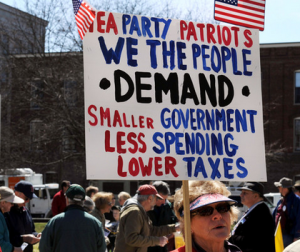
In response to the Obama presidency, the Tea Party movement emerged as a hardline, anti-government faction within the Republican Party. Opposing taxes, government spending, and healthcare reform (Obamacare), the Tea Party pushed the GOP further to the right. This shift made the party more ideologically rigid, and moderate voices were often sidelined in favor of more extreme conservative candidates. This internal divide further increased polarization within American politics, setting the stage for the rise of populist figures.
6. The Rise of Donald Trump (2015–2016): A Populist Takeover
Trump’s rejection of core conservative values, such as free trade and small government, signaled the party’s move toward protectionism and isolationism.
Donald Trump’s unexpected rise in 2016 marked a fundamental shift in the Republican Party’s identity. His populist, nationalist rhetoric, coupled with anti-immigrant and anti-establishment sentiments, resonated with disaffected voters who felt abandoned by traditional GOP policies. Trump’s rejection of core conservative values, such as free trade and small government, signaled the party’s move toward protectionism and isolationism. His “Make America Great Again” slogan captured the attention of a significant portion of the Republican base, but his rise also fractured the party.
7. Trump’s Presidency (2017–2021): Institutional Erosion and Deep Divisions
His disregard for institutional checks, frequent attacks on the media, and rejection of democratic norms further deepened the divide within the country and the party.
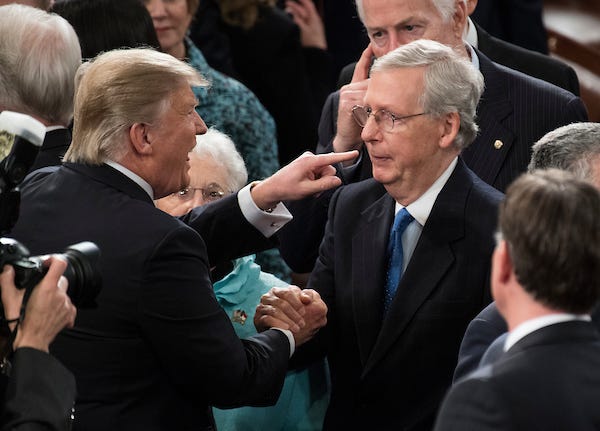
Trump’s presidency was marked by scandal, constant controversy, and polarization. From his administration’s handling of the COVID-19 pandemic to the trade war with China and his hardline immigration policies, Trump’s leadership style was divisive and erratic. His disregard for institutional checks, frequent attacks on the media, and rejection of democratic norms further deepened the divide within the country and the party. Trump’s refusal to accept the 2020 election results, coupled with claims of widespread election fraud, undermined faith in the electoral process.
8. January 6, 2021 — The Capitol Riot: Assault on Democracy
This unprecedented assault on American democracy, fueled by Trump’s rhetoric, led to Trump’s second impeachment.

The culmination of Trump’s tenure was the January 6 insurrection at the U.S. Capitol, where his supporters stormed the building in an attempt to overturn the election results. This unprecedented assault on American democracy, fueled by Trump’s rhetoric, led to his second impeachment. Although acquitted by the Senate, the event deepened the internal conflict between pro-Trump Republicans and establishment figures, raising concerns about the party’s commitment to democratic values.
9. The Post-Trump Republican Party (2021–Present): A Party in Crisis
The party remains divided between Trump loyalists and those who seek to move beyond his influence.
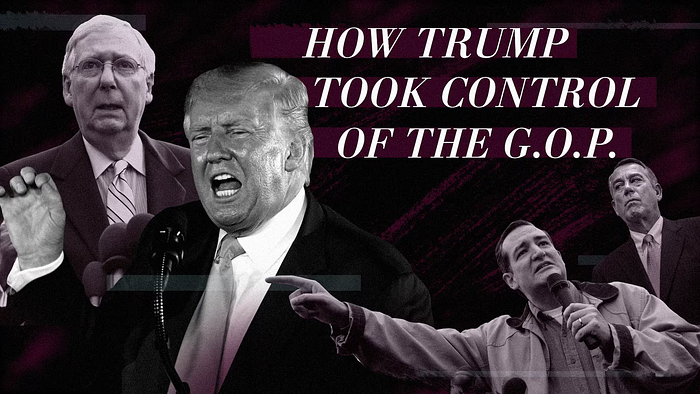
Since Trump’s defeat in 2020, the Republican Party has been in a state of internal civil war. Figures like Liz Cheney, who have vocally opposed Trump’s election lies, have been ostracized, while others have doubled down on his rhetoric. The party remains divided between Trump loyalists and those who seek to move beyond his influence. At the same time, the rise of populist and authoritarian tendencies has made it difficult for the GOP to establish a unified direction.
Key Themes of the Downward Spiral:
- Hyper-Partisanship: Beginning with Newt Gingrich’s era, the Republican Party increasingly prioritized opposition over governance, leading to heightened political polarization.
- Ideological Rigidity: The Tea Party and Trump’s populism pushed the party further right, marginalizing moderates and making compromise more difficult.
- Populism and Nationalism: Trump’s ascendancy signaled a shift away from traditional conservative principles toward populism, nationalism, and protectionism.
- Undermining Democratic Norms: Trump’s attacks on democratic institutions, the media, and the electoral process have been embraced by parts of the party, leading to fears of rising authoritarianism.
- Internal Divisions: The Republican Party is fractured between traditional conservatives, populists, and Trump loyalists, with no clear path forward for reconciliation or unity.
Conclusion:
Since the Reagan era, the Republican Party has undergone profound ideological and structural changes that have led to increased polarization and a departure from traditional conservative values. From the George W. Bush administration’s mismanagement of the Iraq War to the Tea Party’s rise and Trump’s populist takeover, each incident has contributed to a party now struggling with internal conflict and identity. As it stands, the future of the GOP remains uncertain as it grapples with the consequences of these decades-long shifts and the lingering influence of Trumpism. Whether the party can realign with its foundational principles or continue down the path of populism and division remains to be seen.
19

Published in Information-Warfare Magazine
Information-Warfare Magazine seeks to enlighten citizens by providing articles, tools, and knowledge to navigate the information socioeconomic wave and combat information warfare. Published by https://ie-press.com/Follow

Written by HASE Fiero
HASE Fiero is dedicated to exposing the hidden forces of class warfare, economic injustice, and digital oppression. https://amazon.com/author/hasefieroFollow
No responses yet

Write a response
What are your thoughts?CancelRespond
More from HASE Fiero and Information-Warfare Magazine

In
by
General Patton’s Warning: Russia, Fascism, and the New Global Struggle
How Patton’s Views on Russia Shaped the Cold War — and Why They Resonate Today
Mar 2, 2025

In
by
The Memo that Outlined U.S. Plans to Overthrow 7 Countries in 5 Years
A shocking revelation of a secret memo detailing plans for regime changes in the Middle East, driven by a small group of neoconservatives…
Sep 14, 2024
In
by
The NATO Expansion Debate: Historical Promises, Geopolitical Realities, and Global Repercussions
Understanding the Legacy of “Not One Inch Eastward,” Russia’s Red Lines, and U.S. Foreign Policy in Shaping the Modern World Order
Jan 10, 2025
In
by
The Rise of Dark Enlightenment
How JD Vance, Curtis Yarvin, and Peter Thiel Are Reshaping Politics
Feb 18, 2025
See all from Information-Warfare Magazine
Recommended from Medium
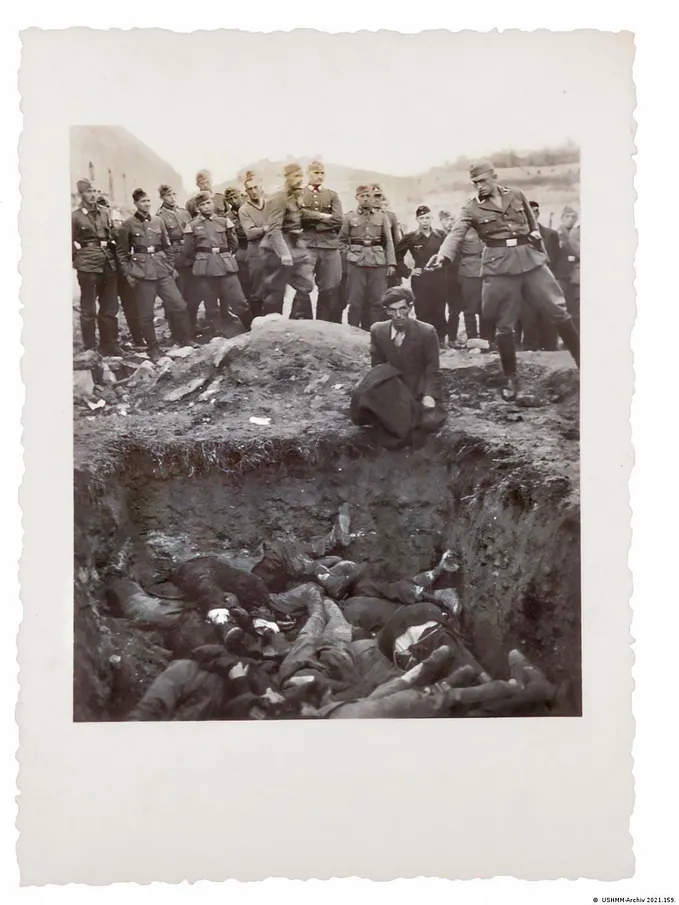

The Holocaust Photo That Shatters the Myth of “Just Following Orders”
What really happened to Nazi soldiers who refused orders?
Dec 3, 2025

In
E³ — Entertain Enlighten Empower
by
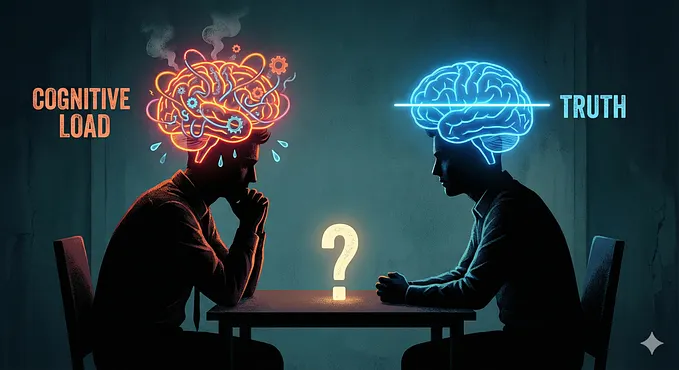
How to Spot a Liar in 3 Questions (Without Them Knowing)
The secret to detecting deception isn’t about body language — it’s about “Cognitive Load.”
Dec 11, 2025


The American century of shame is here.
Americans are about to learn a hard lesson all civilizations eventually do.
Dec 22, 2025


In
by
Psychologists Say This Unexpected Habit Makes Women Feel Safe Instantly
And most men don’t even know they’re doing it.
Dec 27, 2025


In
by
Photos That Shouldn’t Have Been Taken
Risky Photographs
Dec 22, 2025

The Real Reason Putin Can’t End the War — And It’s Not What You Think
Why Russia Is Still Fighting: The Reason Is Far Darker Than Territory
Dec 23, 2025
Could not connect to the reCAPTCHA service. Please check your internet connection and reload to get a reCAPTCHA challenge.
Account